Earthbound in Awe

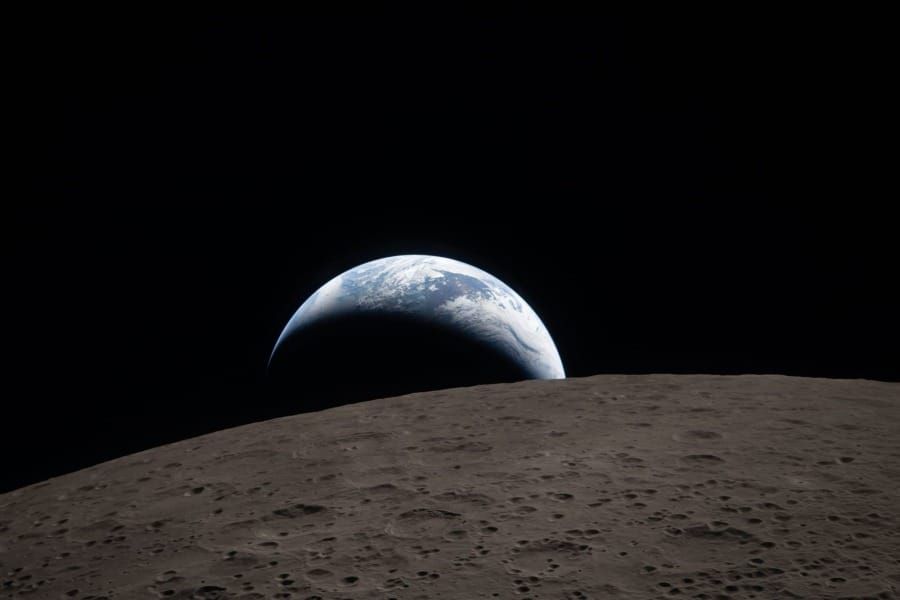
On April 10th 2026, at 7:07 pm CDT, 4 Astronauts completed a 10-day mission that at its farthest point took them 252,756 miles from Earth. That is farther than any human has traveled away from our planet in history. The entire trip covered some 694,481 miles.
To put that into perspective, I drive to Colorado each year and spend roughly 4 days (32+ hours on the road) driving 2000 miles to get there and back.
At peak speeds, the spacecraft was traveling upwards of 25,000 mph. To put that in perspective, the current land speed record was set in 1997 at 763.035 mph.
I sat with nervous anticipation watching the reentry and splashdown on TV. Something we Americans haven’t witnessed since 1972. As I watched, a million thoughts spiraled through my mind.
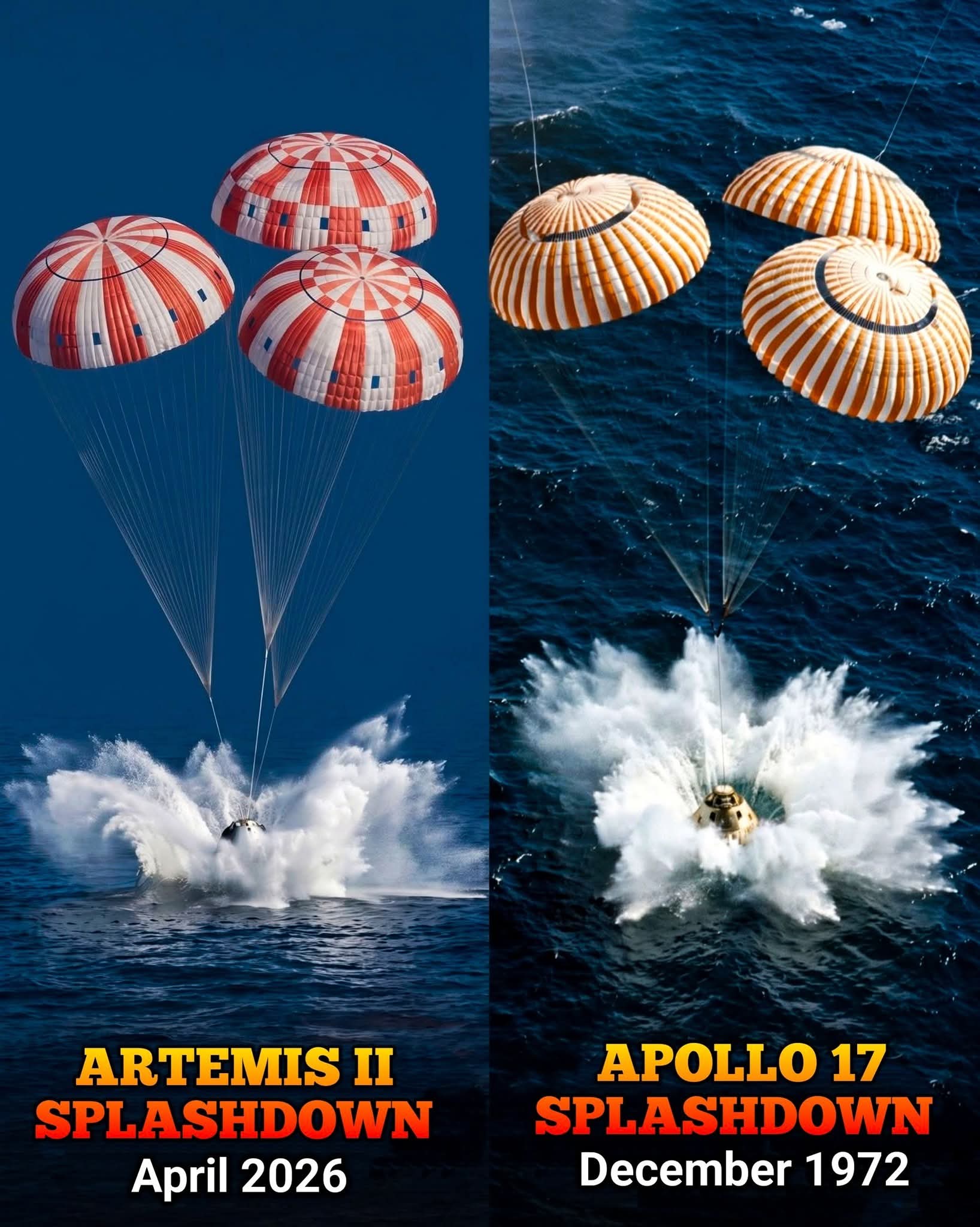
As with any flight operation, takeoff and landing are the most dangerous. To compound matters, the heat shields on Artemis I (unmanned) did not perform as expected, and the changes they subsequently made to the shields on Artemis II were untested.
Reentry generates friction that forces the shields to withstand temperatures of up to 5000 degrees Fahrenheit. I get uncomfortable when it’s above 90 outside. It’s the ultimate show of trust for the astronauts to put their faith in NASA scientists to understand and implement the shield changes that they were confident would result in a successful reentry. A failure here could set the program back decades and cost these heroes their lives.
When the 4 members of the Artemis II crew safely landed, it brought the grand total of humans who traveled to deep space to 28. Current scientific estimates suggest that, over human history, approximately 117 billion humans have existed, and around 8 billion are alive today. And out of those 117 billion, 28, just a fraction of a fraction of a fraction of all humans ever, have made the journey into deep space.
If that doesn’t totally blow your mind, you might want to check your pulse to see if you’re still alive.
Humans aren’t designed for deep space. Our fragile bodies need things like the right amount of gravity, oxygen, nutrients, and sunlight (to name a few things) to function properly. And when you leave the atmosphere and enter space, there’s cosmic radiation to contend with. Our fragility amplifies the farther we are from the planet’s surface.
We are a product of our evolution, and as currently constructed, we are, for all intents and purposes, Earthbound.
That’s what makes these events so extraordinary. When humans are at our absolute best, we make the impossible happen. Science and Math coming together to propel us further into the unknown than we’ve ever been.
How can you not be in absolute awe of what was just accomplished?!?
It reminds me of the lyrics in one of my favorite Rush songs, "Countdown." They released it in 1982 after the launch of the first Columbia space shuttle.
Excitement so thick
You could cut it with a knife
Technology high, on the leading edge of life
Like a pillar of cloud, the smoke lingers
High in the air
In fascination with the eyes of the world
We stare...
It’s critical for us to survive and thrive as a species that we don’t lose sight of what we can accomplish when we work together for the benefit of all humanity.